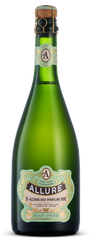
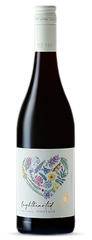
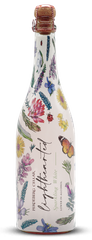
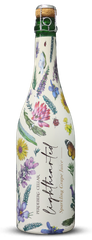
Difference Between Non-Alcoholic, De-Alcoholised, and Low-Alcohol Beverages
The terms non-alcoholic, de-alcoholised, and low-alcohol refer to different processes and alcohol content levels in beverages. Here’s a breakdown of the differences:
Non-Alcoholic
- Definition: A beverage with no detectable alcohol content, typically made without involving fermentation or alcohol production.
- Alcohol Content: 0.0% ABV.
- Production Process: Produced without any alcohol (e.g., soft drinks, juices, or botanical infusions).
- Labelling: Often labelled as "alcohol-free" or "non-alcoholic."
De-Alcoholised
- Definition: A beverage that originally contained alcohol (via fermentation) but has had most of the alcohol removed.
- Alcohol Content: Less than 0.5% ABV.
- Production Process: Alcohol is removed using processes like vacuum distillation or reverse osmosis, retaining the drink’s flavour complexity.
- Labelling: Must be labelled as "de-alcoholised."
Low-Alcohol
- Definition: A beverage with a reduced alcohol content compared to traditional alcoholic beverages.
- Alcohol Content: Typically between 0.5% and 4.5% ABV (up to 10% for certain classifications).
- Production Process: Alcohol is reduced during or after fermentation.
- Labelling: Clearly marked as "low-alcohol."
Your Perfect Pour
Non-Alcoholic: Perfect for those who want a completely alcohol-free option.
De-Alcoholised: Appeals to consumers who enjoy the taste of wine or beer but prefer minimal alcohol content.
Low-Alcohol: Ideal for those seeking a lighter alcohol option while retaining the essence of traditional beverages.
Key Differences
| Aspect | Non-Alcoholic | De-Alcoholised | Low-Alcohol |
|---|
| Alcohol Content | 0.0% ABV | Less than 0.5% ABV | 0.5% to 4.5% ABV |
| Production | No alcohol involved | Alcohol removed | Alcohol reduced |
| Flavour Profile | May lack complexity | Closely mimics traditional drinks | Retains alcohol-like character |
| Labelling | "Non-alcoholic" or "Alcohol-free" | "De-alcoholised" | "Low-alcohol" |
No and low alcohol drinks
Discover our growing selection of no and low alcohol wines and spirits, designed for more mindful and conscious drinking. This collection is curated for those exploring moderation, sobriety, or simply looking for flavourful alternatives with reduced or no alcohol.
As drinking habits continue to evolve, Port2Port is committed to building a considered no and low alcohol range that prioritises quality, balance, and taste. Whether you're sober-curious, alcohol-free, or choosing to drink less, this collection offers an accessible place to explore modern alternatives.
Know the difference
Non-Alcoholic Definition: A beverage with no detectable alcohol content, typically made without involving fermentation or alcohol production. Alcohol Content: 0.0% ABV. Production Process: Produced without any alcohol (e.g., soft drinks, juices, or botanical infusions). Labelling: Often labelled as "alcohol-free" or "non-alcoholic."
De-AlcoholisedDefinition: A beverage that originally contained alcohol (via fermentation) but has had most of the alcohol removed. Alcohol Content: Less than 0.5% ABV. Production Process: Alcohol is removed using processes like vacuum distillation or reverse osmosis, retaining the drink's flavour complexity. Labelling: Must be labelled as "de-alcoholised."
Low-Alcohol Definition: A beverage with a reduced alcohol content compared to traditional alcoholic beverages. Alcohol Content: Typically between 0.5% and 4.5% ABV (up to 10% for certain classifications). Production Process: Alcohol is reduced during or after fermentation. Labelling: Clearly marked as "low-alcohol."
Which one is for you?Non-Alcoholic: Perfect for those who want a completely alcohol-free option. De-Alcoholised: Appeals to consumers who enjoy the taste of wine or beer but prefer minimal alcohol content. Low-Alcohol: Ideal for those seeking a lighter alcohol option while retaining the essence of traditional beverages."