At times bewildered by the calm precision of the Old World, finding an on-time train schedule almost offensive; well-versed in the nuances of ‘now-now’ and TIA. The idiosyncracies of the New World appeal to me: pioneering, free, at times dangerously so, though we made the rules. And therefore always, ALWAYS, exuberantly happy when I spy that flat-topped mountain on the horizon. A trip to Italy however, is not to be downplayed, as I do not believe that anyone could visit this gloriously Old World place with its distinctly New World attitude, and not come away enthralled. The street art will attest to the youthful spirit of the place, and I will admit that I did experience a twinge of regret that our little New World country didn’t have MORE historic buildings and old masters of art to riff off of. But then again, THAT allows us to be the “youest of you” (thank you Dr. Seuss), which, when we get there has the potential to be OTHER WORLDLY. Now, as in all things, my attention inevitably turned to wine. Which like the people, cities and villages had a distinct New World attitude. But first: What do I MEAN by ‘Old World’ / ‘New World’?
Start with One
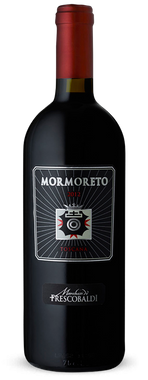
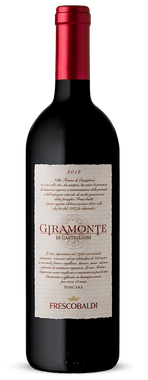
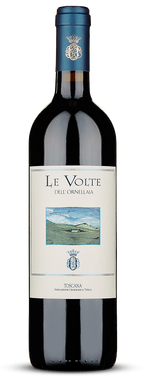
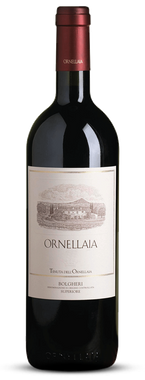
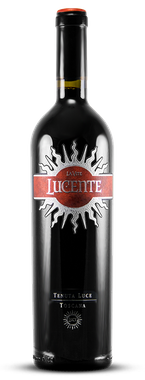
Simply put. New World = Freedom; Pioneers; Unregulated winemaking; Discovery; Fluid styles of winemaking; New ideas and Innovation. Old World = Established vineyards and winemaking techniques; Rigid; Regulated; but also Celebrated; Highly Rated; Quality; Precision and History. It is important to be clear, ‘Old’ doesn’t mean ‘Bad’, merely ‘Different’. Given OUR origins, it’s only natural to seek the familiar, no? As far as Old World wine goes, Tuscany makes an incredible array of notable wines, of which I was fortunate to sample a few. It is probably prudent to preface this by saying that there are a veritable PLETHORA of villages in Tuscany alone and each one of these makes a distinctive style of wine, made by a number of producers, who each then put their own spin on it – hence you will be spoilt for choice. When questioning a local on just HOW one would go about selecting one of the MANY brands from any one of these villages, his answer was a candid: “We-a don’t-a know-a either ey, you just sit-a down and start with one…” {use your imagination on the accent}. In broad terms however, and given my limited scope of investigation, the notable wines of Tuscany include: Brunello di Montalcino (Sangiovese), Vino Nobile di Montepulciano (Sangiovese), Vernaccia di San Gimignano (a white grape that ages surprisingly well) and then of course the overarching, Black Rooster wearing, Chianti Classico (Sangiovese again),more about the Black Rooster soon. The New World attitude comes in the shape of the Super Tuscans, an unofficial wine category that blends the native Sangiovese grape with a number of French stalwarts such as Cabernet Sauvignon, Merlot, Syrah and Cabernet Franc as well as using French Oak instead of the traditional Croatian Oak barrels for ageing (yes, CROATIAN). To my amateur palate, these Super Tuscans gave off a distinct wine gum (specifically the black one) taste, which was NOT unpleasant, and unlike the more traditional styles of wine, better suited to being enjoyed without a food pairing.
Montepulciano vs. Montalcino
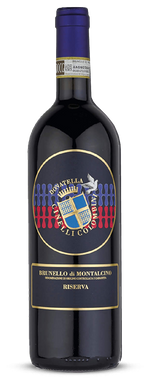
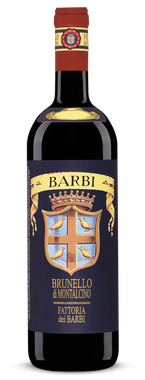
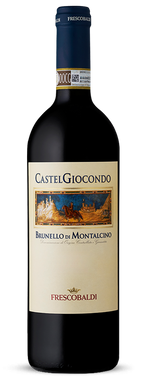
When visiting a winery, set in the very city walls of Montepulciano (the wines of which are not exported and therefore unfortunately unavailable to us here), the particularly gregarious guide exclaimed: “Wine is LIFE-a.” When pressed about why the Vino Nobile di Montepulciano came off so harsh when tasted without food, she went on to elaborate that Italian wine was made to be enjoyed with either protein, fat or salt, and indeed when she brought out individual plates of charcuterie, cheese, panzanella and bruschetta, the wine became inviting, sweet even. It may well be the very nature of the Sangiovese grape, that lends itself so well to food, which makes me think that in order to fully appreciate an Italian wine, I’d always eat something with it. The ultimate food wine. She went on to explain that going as far back as 1337 (the founding date of that particular winery), wine was served with every meal. This because it was probably safer to drink than water at the time; and a highly prized commodity, so much so that wineries went to great lengths to protect their stocks and were prepared to fight for it – hence the ‘wine is life-a’ statement, though I suspect she uses that line on ALL the tourists (it’s just so CATCHY). The winery we visited in Montalcino, Altesino (A little high), which you approach on a Cyprus lined lane, is fittingly owned by a lady with a pharmaceutical background, Elisabetta Gnudi Angelini, owner of a number of other vineyards in Italy, of which Altesino is said to produce some of the most notable single vineyard Brunello di Montalcino. For the more discerning among you, it should be noted, that Brunello di Montalcino are known as the most celebrated wines in Tuscany and we’d therefore urge you to sample them and provide some feedback on the matter (Montepulciano vs. Montalcino). Both these wineries produce Super Tuscans, which provided an intriguing juxtaposition between the new and old (THOUGH one might argue the French varietals are even older than the Italian ones, which would make it a comparison between old and OLDER). The traditional wines being more accessible WITH food, while the Super Tuscans could stand alone (WHICH may also only be because this New World palate is so much more accustomed to these French varietals…therefore do NOT take my word for it).
Gallo Nero
Which brings us to Chianti Classico, one of the most recognized wines from Tuscany and representative of one of the oldest wine producing regions in the area, stretching between Florence and Siena and including no less than 14 municipalities (towns), as well as part of a territory entitled ‘Poggibonsi’, which I had to add to my words-of-the-day list… A Chianti Classico blend HAS to be a blend of 80% Sangiovese and 20% native or international red grape varietals. There are different levels of Chianti Classico, such as the Chianti Classico Riserva, which requires a minimum maturation of 24 months, including three months of bottle fining. In 2014, Chianti Classico Gran Selezione was introduced, made exclusively from a winery’s own grapes and adhering to stricter regulations than that of the Chianti Classico. The Black Rooster (Gallo Nero) which adorns all Chianti Classico bottles came into use in 2013, though its story began long before that, in the 13th century. It is said that in order to end their land disputes, Florence and Siena agreed to use the meeting point of two knights, who left at the crow of the rooster, as their borders. The Florentines selected a black rooster for the task and kept him in a box without food for a few days, which meant that when released he crowed well before dawn, allowing the Florentine knight to leave early and gain more ground, eventually meeting the Sienese rider only 20km from HIS city walls. Since then the Black Rooster has been the symbol of Chianti, which when spotted on a bottle of wine can only mean good things.
And other observations
Other observations include the fact that Tuscany as a whole is particularly BUGGY, which given MY African origins, says a lot. When travelling there, I’d suggest bringing your own blue light, antihistamine and any other preventative measures. Also, when visiting wineries, I’d suggest a less aggressive line of questioning, as I was twice accused of most probably being a spy…an allegation I cannot confirm nor deny at this time.
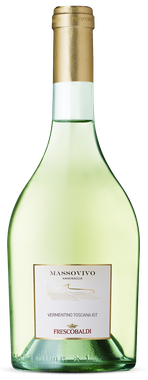
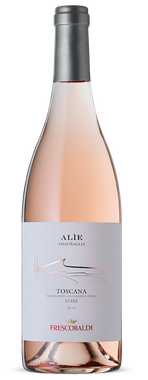
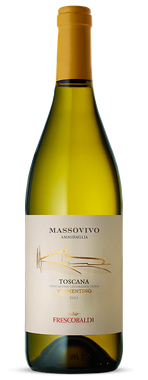
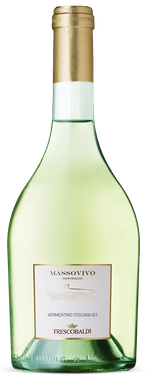
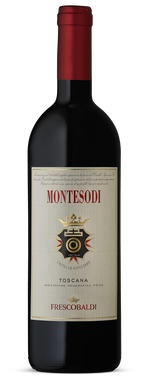
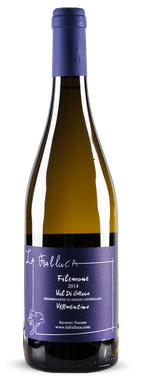
Given what I’ve learnt (about the wine), I entreat your New World palates to prepare a platter of charcuterie and cheese and setup a Tuscan tasting with a selection of our Port2Port wines.