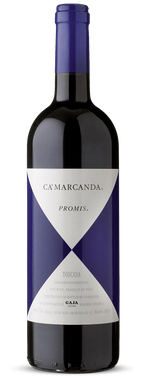
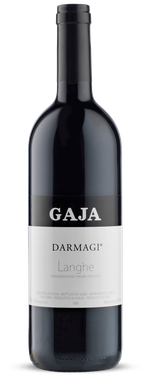
The Gajas are an Italian winemaking family, though that description might be just a tad modest, given the fact that they are one of THE Italian winemaking families. It was fourth generation, Angelo Gaja, who was responsible for turning Barbaresco and Barolo on its head by blending the Nebbiolo with small amounts of Barbera, though they have since reverted back to the 100% Nebbiolo as dictated by the DOCG regulations of both areas. AND established a number of winemaking techniques as yet unknown in Italy at the time. But, we’ve told you THIS story before here.
MORE GAJA
Since our last investigation however, WE’VE discovered America…in the sense that we’ve been able to procure MORE Gaja. Why does one NEED more Gaja? Because there is so MUCH Gaja to be had. From their native Piedmont Barolo and Barbaresco, to Tuscany’s Brunello di Montalcino and Bolgheri’s open-minded wine culture that allowed them to plant French varietals in Italy. (Bolgheri having been what Gaia was referring to with the discovery of America.) Most recently Gaja, in partnership with Graci, have acquired vineyards on the slopes of Mount Etna, one of the most exciting winemaking regions in Italy today. We’ll have to await their inaugural vintage however as it’s probably still on the vine. Gaja is constantly evolving.
An Evolution
This sense of innovation does not rest with Angelo Gaja, but seems to have been successfully passed on to his three children, who now deal with the day-to-day running of the brand. Where Angelo introduced green harvests, French barriques, temperature-controlled fermentation, single-vineyard wines and French grapes, the Gajas have now moved on to combatting climate change in the vineyard. Having identified three main climatic changes to overcome: moderate plant vigour, the grapes become jammy and overripe; soil erosion, from too much rain [would that this was OUR problem]; and work on improving the organic matter in the soil, caused by the aforementioned erosion. They have successfully taken a number of steps to address these issues, which in turn will have its effect on the resulting wines. Bringing us back to the concept of SMART winemaking, winemakers adapting to the ever-changing cycles of nature. This constant adaptation guarantees the variety we crave and ensures we come back year-on-year to assess the overall SMARTNESS of that particular vintage. As most ‘lucky’ people will tell you, you make your own luck. Something Gaja has proven over its 158 years in operation, and one of the reasons we’ll keep coming back. As should you.