In the past two decades, Spain has moved from being a source of easy-drinking, undemanding, well-priced wines to the home of some of the most extraordinary wines being produced anywhere in Europe. As with South Africa, this has been a process driven by the younger generation, who have rediscovered the treasure trove of old vineyard sites. Previously, growers - many of whom battled to stay afloat - simply delivered their fruit to the local cooperative for a break-even average price.
In February last year, I attended the Barcelona Wine Fair, the Spanish equivalent of Vinexpo, sampling wines from over 40 different producers and tasting literally hundreds of wines from better-known and lesser-known appellations. One of my discoveries was Edetària, a Catalunyan winery named after the "Via Edetana," a former via Romana that stretched between Tortosa and Zaragoza. Edetària is located in Gandesa, in the central area of Terra Alta. The Terra Alta - like many of the world’s cutting-edge producers have come to discover - may be among the most perfect viticultural regions in the world.
It is home to over 30% of the world’s plantings of Garnatxa Blanca (Grenache Blanc), together with some of Spain’s oldest blocks of Garnatxa Negre (grenache noir) and Garnatxa Peluda (“hairy” Grenache). It’s not difficult to understand why I was interested in finding the best wines from a region that has a veritable cornucopia of old vineyards planted to varieties that only perform at their best once the vineyards are at least 50 years old.
Joan Àngel Lliberia, Edetària’s founder and driving force, grew up in the region, the son and grandson of grape growers. He wanted to make wines that best expressed the region and its ancient vineyards. Inevitably, this meant organic farming, minimal intervention, and maximum fruit purity. Despite the craft nature of his enterprise, the pricing of his wines is surprisingly accessible, ranging from R295 to R645 per bottle. Even at significantly higher prices, you would be blown away by the purity and intensity of Edetària’s extraordinary renditions of grenache.
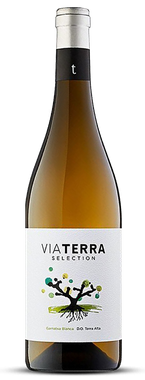
Via Terra White is made from Garnatxa Blanca harvested from vineyards located in La Plana de Gandesa. It is a combination of two harvests: an earlier harvest provides all the freshness and fruit flavours, and a second harvest, about two weeks later, delivers structure to the wine. After fermentation, the assemblage is made, and the wine is aged on its own natural lees to retain delicacy and finesse.
Via Edetana White (Organic) is made from seriously old Garnatxa Blanca vines in "tapàs" and "panal" terroirs. Each plot is fermented separately, then half of the wine is aged in 500-liter French oak for four months, while the other half remains on its lees in tanks.
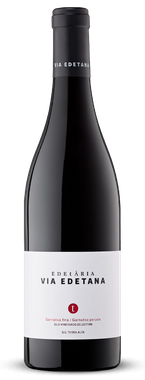
Via Edetana Red (Organic) is made from Garnatxa Fina and Garnatxa Peluda in equal parts from old vines grown in "tapàs," "tapàs blanc," and "argilles" soils. Different fermentations are made from each plot to obtain a wider range of nuances. The wine is aged for 12 months in 300-liter French oak barrels before assemblage and bottling.
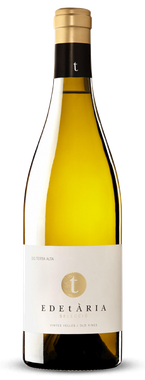
Edetària Selecció Blanc is made from vines that are at least 60 years old and grown in "panal" soils (fossilized sand dunes) with extremely low yields. This 100% Garnatxa Blanca is fermented in 500-litre French oak barrels and then aged for eight months.