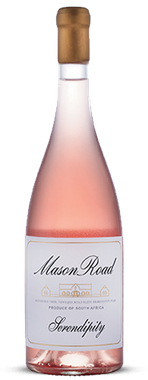
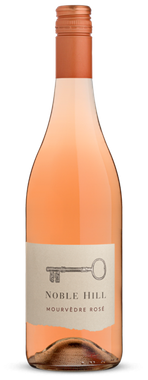
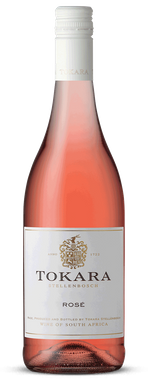
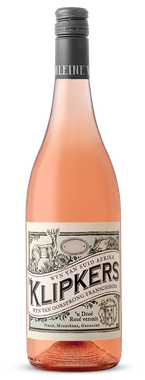
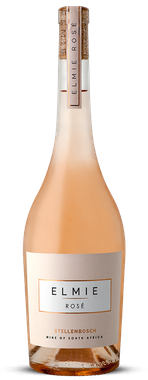
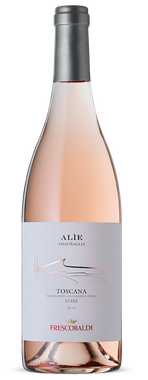
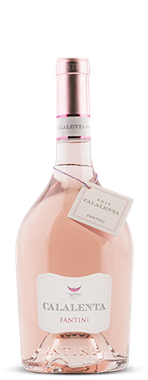
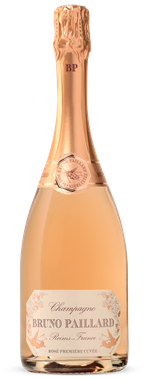
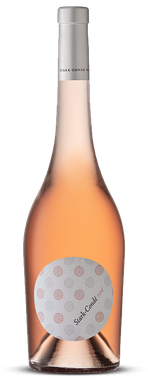
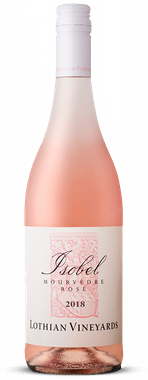
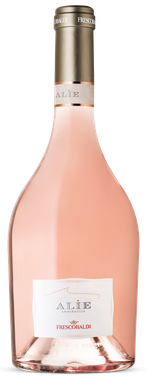
Labeled as a feminine wine or a wine for non-wine drinkers, you’d be forgiven for not knowing that Rosé is in fact one of the very first incarnations of red wine. Before winemaking techniques had evolved to its current, technical heights, all red wines were a decidedly pinkish colour. Everyone drank Rosé…happily. Not to say that we share this widely held distrust of pink wines, quite the opposite given our options.
Quality Rosés are produced from black wine grapes, using two methods. Maceration is fairly simple and the most popularly used method. Red grapes are crushed and left to extract flavour, tannins and colour from the skins for as little as 2 to 36 hours before being drained off, depending on the desired colour. Saignée (bleeding), pronounced ‘sonyay’, is when a portion of red wine is bled off to create a more intense colour. This of course leaves less Rosé to be bottled but ensures more pronounced flavour notes. Only by exception is a third method used to produce Rosé wines, which merely involves blending white and red wine (heavily frowned upon for anything other than Champagne production).
In recent years Rosé wines have enjoyed a surge in popularity, which a Vanity Fair article ascribes to the photogenic properties of the wine. Though we KNOW that there is more to it, you have to admit the range of colours can be quite tantalising in itself. Blush, light salmon, peach, light cherry - all dependent on the grape, with a flavour profile that can vary from fruity and crisp in Provence to savoury when made from Tempranillo, Syrah or Cabernet Sauvignon. Our drink of choice for the summer months to come, we’ve put together a selection of international and local blush wines for you (and us) to stock your (and our) cellars with.