* It's supplied in a hermetically sealed container
* It keeps your throat moist
* Its alcohol has a sanitising effect
* Carefully selected, it's guaranteed to taste better than Listerine
* It makes isolation at home more tolerable
* In correctly managed quantities it enhances or restores conjugal interest
Wine has been around almost as long as civilisation itself - its very existence requires a degree of stability: it's almost impossible for nomadic hunter-gatherers to produce it. Its health-giving properties have been recognised for centuries, not only by wine merchants trying to sell stock, but as a result of the empirical experience of people themselves. Van Riebeeck persuaded the Directors of the Dutch East India Company to supply vines and permit their cultivation so that wine could be sold to ships as an antiseptic for the water on board.
Vines of course have their own health issues: like humans they only flourish in the right environments. They too are susceptible to disease which can come as a virus, a bacterial infection or as a parasite. In the so-called little ice age of the late 18th century it was so cold that for a couple of vintages several of the most famous Medoc estates simply abandoned their grapes on the vines. A century later those same vineyards succumbed to the phylloxera aphid, which destroyed the vines by nibbling away at their roots. There are also a vast number of vineyard viruses, for which treatment includes containment, or replanting after leaving the land to lie fallow for an extended period.
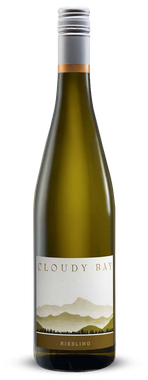
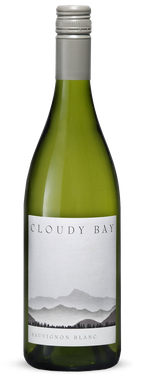
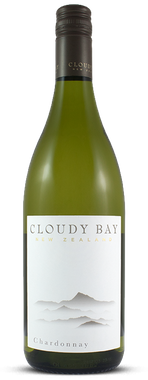
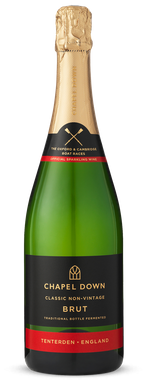
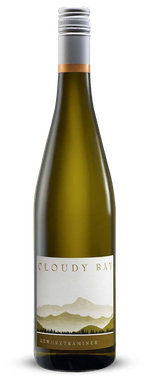
So what to drink? If you want to sample wines produced from the cooler climatic zones (fifty years ago places like Chablis were at the northernmost limit of viable viticulture) you could try Chapel Down Brut hand-crafted in the traditional way in England or Pouilly Fumé, a Loire Valley Sauvignon Blanc made at Baron Patrick de Ladoucette's Chateau de Nozet. You could also choose to go so far South that 50 years ago no one had been brave enough to plant vineyards. Sample pinot noir, chardonnay, riesling, gewurtztraminer and sauvignon blanc from Cloudy Bay in Marlborough on New Zealand's South Island.
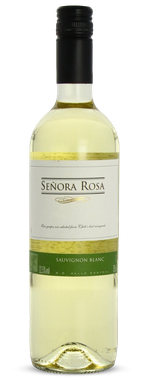
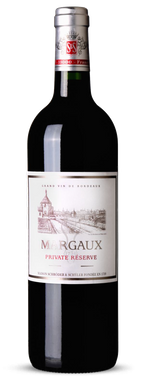
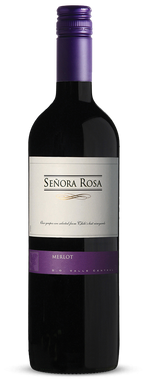
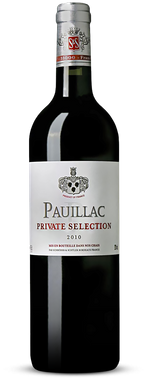
Chilean vineyards are amongst the few sites in the world that remain phylloxera-free. If you would like to try wines made from ungrafted vines there's the Señora Rosa Merlot. While First Growth Bordeaux is now beyond the reach of all but the wealthiest oligarchs, the Private reserve wines from Schroder & Schyler are selected from the cellars of several Classed Growth chateaux and are available at a fraction of the price of the estate's Grand Vin.