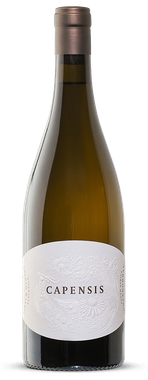
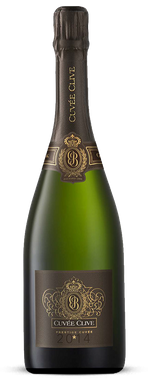
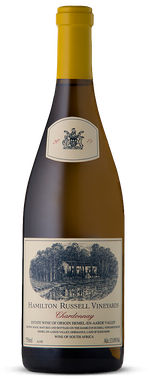
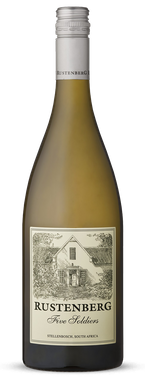
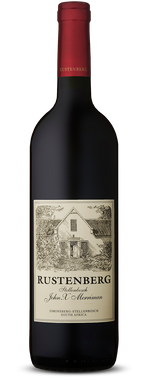
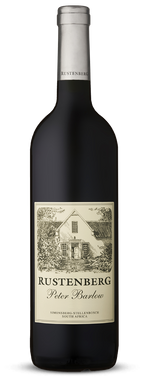
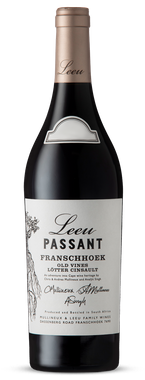
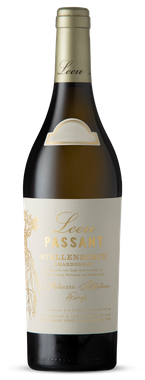
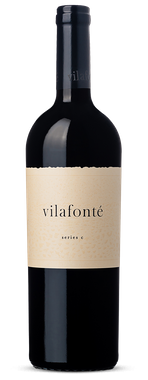
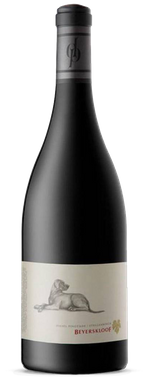
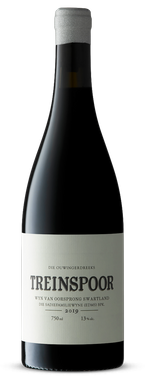
It’s only when someone shows us a photo of our younger selves, separated in my case by years of over-indulgence, long-haul flights and the inevitable ageing process, that we register how much we’ve changed. Not just physically – the greying hair, the extra kilos, the accretion of worry lines – but emotionally and intellectually too. As our bodies get older, we grow up. At least that’s the theory.
Opening my first South Africa Special Report, published in 2013 and untouched since, felt a little bit like looking at such a snapshot. It wasn’t just that the winemakers and viticulturists in my Cape portraits had “matured”, more or less gracefully; it was also a question of registering just how much the Cape wine industry has evolved in less than a decade. South Africa has been making wines for over 360 years, but is currently producing the most exciting and diverse wines in its history. We have lived - and are still living - through a remarkable transformation.
The top white wine in that 2013 overview was the 2011 Cartology from a newcomer called Chris Alheit. I gave it 97 points and was immediately accused of score inflation, a charge that resurfaces every time I publish a new report. “I really want the Cape to be seen in a new light,” he told me, full of the confidence and optimism of youth. I admired him as much as I did his wines.
Eight editions later, Alheit and a larger group of winemakers have achieved just that, recasting and reframing the image of the South African wine industry. The country still has more than its share of problems, but its best wines are now world class. The so-called “burnt rubber” character that disfigured many reds has all but disappeared, and while leaf roll virus is still too prevalent, producers have learnt how to mitigate its effects. South Africa’s new wave is among the most exciting in the world and these guys are surfing it.
Many of the wines I reviewed so enthusiastically in 2013 are still strutting their stuff in 2020. What has changed is the size and breadth of the top end: a peak has become a high-altitude plateau, if you like. In 2013, 38 of the 700-odd wines I tasted received 95 points or more; in my recently released 2020 report, the number had increased to 153 wines out of 1,381 samples.
Are these brands worth my praise? Is South Africa capable of making 100-point wines? Three of them have now received this accolade from me, so I clearly believe the answer is yes, but it’s only my opinion, based on 30 years of visiting the Cape. As ever, I’d encourage you to taste my favourite wines and make up your own minds, preferably in a line-up with great bottles from elsewhere.
What enabled the transformation? Competition between the best winemakers – and a good deal of camaraderie – is part of the answer, as is the emergence of a golden generation of talent which has travelled more than its predecessors and has had access to affordable and, in many cases, high-quality grapes. Excellence begets excellence. In recent years, there have been a couple of outstanding vintages in 2015 and 2017, which rank among the best of all time in the Cape.
In the eight years I have been writing my report, all wine styles have improved, but I would reserve special mention for Chenin Blanc, Chardonnay, white blends, Semillon, Bordeaux blends, Syrah, Cinsault, Pinot Noir and Méthode Cap Classique bubblies. The Cape can make anything well. More importantly, it has begun to plant the right grape varieties in the right places, refining the precision, focus and sense of place of its offering. As it explores new terroirs, whether at altitude, closer to the oceans or further down the Garden Route, the diversity of its wines will only increase. South Africa is still pushing geographical boundaries in places such as Ceres, Outeniqua and Piketberg, retaining something of its pioneering spirit.
Where will we be when I publish my 20th report in 2032, health and taste buds willing? First we have to get through COVID-19, of course, and the disastrous impact that it has had on the wine industry, which faced a form of prohibition earlier this year and has lost a fortune in sales and tourist dollars. A few wineries will close their doors and South Africa will almost certainly lose more vineyards, although this may help to balance supply and demand. There is also a large wine surplus that somehow has to slosh its way through the system or be destroyed. None of this will be easy. I don’t think I’m being alarmist when I say that the winelands are facing their biggest challenge since the arrival of phylloxera.
And yet I remain very optimistic about the medium and long-term future of the South African wine industry. For now, it offers some of the best value drinking in the world. A decade hence, we will look back at the present moment with nostalgia. Could I really buy these wines so cheaply? Sooner or later, the best of the best will achieve the prices and acclaim they deserve. I may no longer be able to afford them, but I will be applauding from the cheap seats in the upper circle.
South Africa has made remarkable progress since my first visit in 1990. Most of the 25 producers who are classified as First Growths in my report hadn’t made wine then. No one had heard of Eben Sadie, of Peter Allan Finlayson, of John Seccombe, Chris Alheit, Samantha O’Keefe, Duncan Savage or Andrea Mullineux. Now they have. In just one generation Cape wine has taken a giant step forward. Great producers existed before the first fully democratic elections in 1994, of course, but the change of regime and South Africa’s acceptance back into the world wine community were catalysts for something remarkable. We should celebrate and cherish the fruits of that transformation, for they really are exceptional.