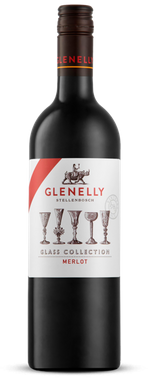
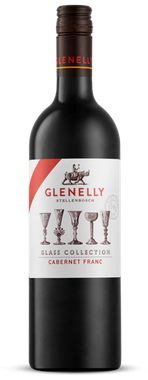
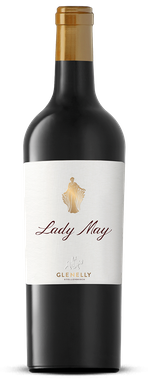
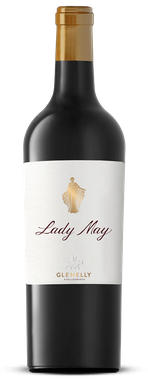
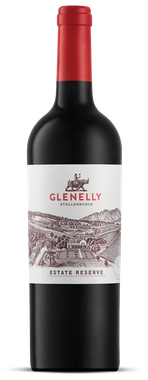
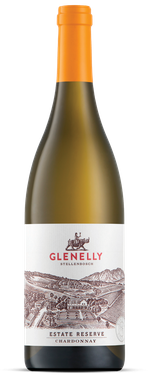
When a Grand Old French Dame, from a 250 year-old winemaking family (COLLECTIVELY, they haven’t cracked THAT particular code yet), who single-handedly ran one of the most prestigious second growths in Bordeaux for well-on 30 years, decides to up and buy a farm, NOT a wine farm at that time, but a fruit farm, in the Cape Winelands, and start anew… now THERE’S a story. Not only does it speak to the potential of South Africa as a winegrowing country, but to the woman herself.
Things we know about Glenelly Wine Estate:
1. It is owned by Madame May-Elaine de Lencquesaing, former owner of second growth, Château Pichon Longueville Comtesse de Lalande in Pauillac, Bordeaux. Situated near the likes of first growths, Château Lafite Rothschild and Château Mouton de Rothschild.
2. Madame May comes from a long line of ladies who inherited and ran this illustrious Estate, and is known for doubling the size of it during her tenure (from 40 to 89 hectares).
3. After 30 years she sold Pichon Lalande to the owners of Roederer Champagne in 2007 and took up the cause in South Africa, at Glenelly, which she purchased in 2003.
4. In 1993 Madame May became the President of the London-based International Wine and Spirit Competition and instituted the Pichon Longueville Comtesse de Lalande Trophy for the Best Blended Red Wine (which by her own admission has mostly been awarded to South African wines in the past).
5. In 1994, Decanter named her Woman of the Year, though a year seems insignificant in comparison to her long career. Madame May will be 92 this year.
6. Madame May owns an astonishing collection of fine glass pieces. Think Salvador Dalí’s Cross Leibniz piece for DAUM. Her current collection resides in a permanent exhibition at Glenelly Estate and draws parallels between wine and art. “They both come from poor material and poor soils and through man’s talent and genius, they become works of art.” – Madame May.
7. In conversation with Wine Enthusiast she clarifies why a French Dame would pack her bags for Southern Africa: “First, I recognized its quality potential: South Africa belongs to the Old World and shouldn’t be compared with Australia, but also wine has been made in the Cape for as long as in the Médoc, so that’s a historical parallel. History, too, plays a role with the Huguenots, who left everything after the revocation of the Edict of Nantes, fled France and started again here in 1699. I felt it necessary, now that I’ve lived my life, to do something important, although this was a much bigger project than I initially wanted. My friends, of course, thought I was crazy. But there are times one has to put reason aside, be a little unreasonable and creative.”
8. The land on which Glenelly was established was virgin land, ‘virgin’ in the sense that it had never been planted to vine, but inhabited by fruit trees, making it a blank canvas as far as wine is concerned. Coupled with the East-facing slopes (coincidently the most revered vineyards in Bordeaux are East-facing) and South Africa’s unrestricted winemaking policies, Glenelly provided the perfect opportunity to build something completely new.
9. Winemaker Luke O’Cuinneagain has been making wine at Glenelly since 2007. When he started Madame May reportedly poured him a glass of Lafite Rothschild 1873 as a wine to aspire to. Something he has done year on year.
10. Madame May takes great pleasure at having been able to diversify from Bordeaux’s trademark blends to their Glass Collection varietal wines reflecting the various aspects of Glenelly’s terroir.
11. Today Madame May’s grandchildren have taken over the day-to-day running of the Estate, though her legacy remains the cornerstone of the brand and is very much reflected in the newly renovated tasting room and restaurant.
We invite you to discover these charming wines and visit the farm for the whole story, specifically that glass collection.