The world of French wine is changing in front of our eyes, and at a pace which has caught producers ill-prepared (and consumers uncertain how to capitalise on the new environment). Climate change has played a central role in the new dynamic – not as one might expect by making high-end French wine less drinkable, but rather by making it so much easier to produce something delicious in almost every vintage. True – there are some regions (mainly in the south) where the warmer summers have compromised fruit freshness. Others – mainly but not exclusively – continental rather than maritime, have suffered the effects of climate change through weather events brought on by global warming: wetter-than-normal summers, catastrophic hail storms, wildfires.
But the real killer – in terms of the model upon which French wine was marketed for decades – has been the almost endless stream of good vintages. Suddenly great wines are not so rare – and because of the extra warmth many of those for which patient collectors might have had to wait decades before drinking them, are surprisingly accessible.
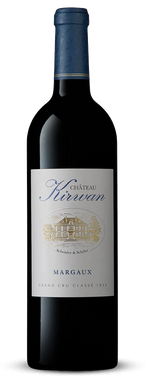
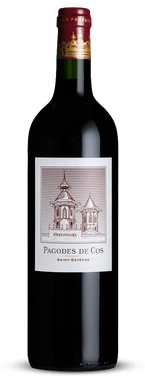
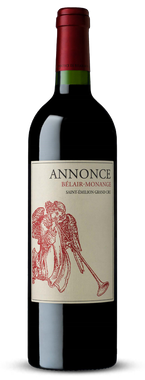
Bordeaux has taken the worst price pounding because there have been no truly bad vintages (in terms of quality) in more than a decade. A high percentage of the region’s top end wines have always been marketed as “investments” because demand (especially for mature, drinkable vintages) has always outstripped supply. Now there’s a stock overhang in the trade and at the chateaux so the investment funds, as well as the speculators, are both trying to exit at the same time as demand (for socio-economic as well psychological reasons) has dried up: when wines are unobtainable, everyone wants them. When supply so clearly outstrips demand, suddenly they are undesirable.
Fortunately for wine buyers in South Africa, there has never been any depth to wholesalers’ stocks of these wines, nor is there really an investment market. Most of what is now currently available has been imported at lower Euro price and with a relatively strong Rand.
This same pattern is emerging with fine Burgundy: the market for the real collectables (the wines sold cynically on allocation because “if you don’t buy now you’ll never get another chance”) has dried up everywhere, including South Africa. This has helped to depress the prices of current release Burgundies from the negociants and the larger domaines (even those who never used shortage as their selling strategy). I guess the adage here is that “a lower tide strands all ships.”
Climate change has played a slightly ambiguous role with the supply of Burgundy: most of the more recent vintages have been good, and some have been indisputably great. Unusually, the fine vintages have also been generous, and the only real disappointment (2024) was small, with most of the better appellations not yet available, and unlikely to have much of an impact on the market. So yet again supply outstrips demand, the speculators have run for cover, the Rand is surprisingly strong, and there is a cornucopia of accessible and delicious wine waiting for pinot noir and chardonnay enthusiasts to succumb to temptation.