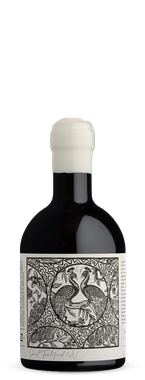
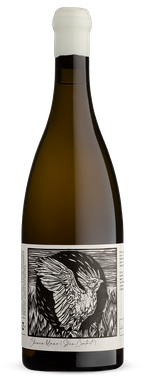
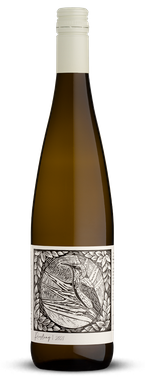
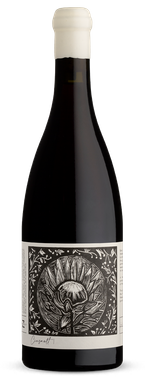
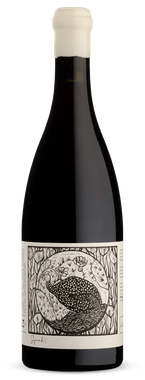
The latest release of Kleine Zalze’s irreverent experimental Project Z wine range comprises five very different wines, all of which bear the unique traits of being sourced from distinctive vineyards as well as fermented and matured in clay amphora vessels. Project Z was launched in 2020 as a part of Kleine Zalze’s wine portfolio and was conceptualised to allow the winemaking team an opportunity to unleash their creativity and sense of vinous adventure.
Besides the exciting range of wines themselves, Project Z’s eye-catching labels feature linocuts designed by Kleine Zalze’s winemakers themselves.
The latest Project Z range are five wines from the 2021 vintage and comprise a Chenin Blanc, Skin Contact Chenin Blanc, Cinsault and Syrah.
RJ Botha, Kleine Zalze winemaker, says Project Z accords him and the rest of the cellar team – Hanri Ferreira, Lizemari Geldenhus and Nataleé Botha – the exciting opportunity of “allowing our imagination and creativity to go on an exciting journey”. This involves seeking-out blocks of vineyards with unique and distinctive geographical features and then vinifying their grapes with a spirit of innovation.
Four of the Project Z 2021 wines originate from selected Stellenbosch sites, with the Riesling sourced from a gem of vineyard discovered in cool-climate Elgin.
“All these vineyards are true of the-beaten-track blocks to which Kleine Zalze has the privilege of having access due to our long-term relationships with wine-farmers in Stellenbosch and various other wine regions,” says RJ.
Despite the project’s emphasis on innovation, Project Z involves winemaking techniques that originate from the efforts of the ancient Greeks and Romans who used clay amphora pots to ferment, mature and store the world’s first wines. Klein Zalze currently has one of Cape wine industry’s biggest collection of 500l clay vessels and is seen as a leader of this method of vinification.
“Our amphorae are not, however, ancient,” says RJ, “we import them from Italy as part of a modern trend in the wine world to harness the distinctive abilities clay containers have of bringing an extra dimension to both red and white wines fermented and aged in these special vessels. Besides the Project Z Syrah, where oak barrels and clay were used in making the wine, all the other wines in the range were aged in amphora. Wine-lovers thus wishing to discover the talked-about effects of clay pots on various wines must look no further than Kleine Zalze Project Z.”
RJ says the most pronounced feature of clay amphora on white wines is that of texture, mouthfeel and length on the finish. “The inside surface of amphorae ensures the wine shines with purity and varietal character and is a visceral expression of terroir,” he says. “In red wines, the time in clay pots gives the red and dark fruits a refined brightness one does not find in wood. Add mouth-feel, texture and palate weight to all these features and Project Z’s offering is truly an individual and original part of the total Klein Zalze collection.