Most of the wines which enjoy prominence in the world of what is loosely labeled “high-end wine” are in some way predictable: they are made from the so-called “international” or “noble varieties” and are from countries/regions/appellations which are generally recognised as sources of fine wine. Another way to put this is simply to say that they would not occasion a raised eyebrow from a diner consulting the wine list in restaurants catering to those who seek the best food and the best beverages.
Globalisation has both widened and narrowed the universe of wines which sit comfortably on these lists. Fifty years ago the New World would not have been represented. Steven Spurrier’s “Judgement of Paris” tasting that placed Californian wine firmly on the world’s stage was held on 24th May 1976. Before then, no one outside the United States had heard of Stag’s Leap or Chateau Montelena. Penfold’s Grange, already famous in Australia, was unknown beyond the Antipodes.
By the same token, half a century ago any respectable carte des vins would have offered a more substantial array of fortified wines: branded sherries, Malaga and Marsala, Madeira, Port and maybe (especially in France) Rivesaltes and Frontignac. Today you will look in vain for many of these amazing (and often immortal) wines. These are treasures where, sadly, both the sugar and the alcohol which goes into the fortification process are excoriated by those who strive vainly for the immortality of the flesh.
As part of her round-up of reviews for the festive season Jancis Robinson dedicated an entire article to fortified wines – and then, having enjoyed the privilege of tasting a number of Madeiras from the 1870s, a further piece on these quite extraordinary antiquities. I was privileged to drink a significant number of centenarian Madeiras at a time when the Rand was so strong they were embarrassingly affordable. The now defunct SA Society of Wine Tasters had a stash so generous that I was able to host a tasting for its members where every bottle in the line-up dated from the 19th century.
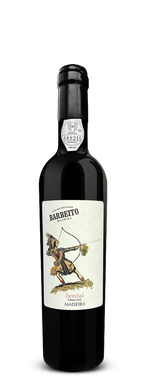
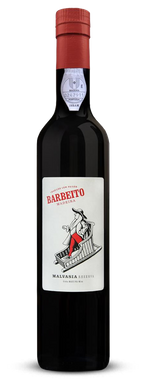
I don’t think that wines as splendid as these should be lost to history: we import tiny quantities of Barbeito’s great Madeiras, courtesy of Joaquim Sa who has deep connections with one of the island’s most dedicated producers. We source from Gonzalez Byass sherries which age in cask for at least 30 years, and sometimes for much longer. From Ramos Pinto the aged tawnies (10 years, 20 years, 30 years) contain in their blends wines which go back over 100 years. We still stock bottles of Rivesaltes and Maury that are approaching their centenary.
But we also “rediscover” appellations which once “owned” their segments of wine lists before falling from fashion: Tavel, the most famous of all rosé wine, has all but vanished as the super-pale rosés of Provence dominate the category. We have connected with the most famous estate in this almost forgotten corner of the southern Rhone to import small quantities of the only rosé in the world that offers body and flavour to go with its finesse.
None of the wines on the list below are well-known today, though the appellations are still remembered. Every one was in its time a wine of legend. All are sourced in the tiniest of quantities, partly because they are sometimes hard to find, and realistically because people who are content to drink Cabernet and Chardonnay are unlikely to leave their well-beaten paths for something that will make them recalibrate not just their ideas of vinous greatness, but whether their wine collecting compass has led them down a cul-de-sac.