How does a producer establish a world-class reputation for themselves, making the most gracefully elegant and stylishly fragrant Pinot Noirs? By establishing vineyards high up in a cool maritime valley where marginal ripening poses a high risk to the success of the investment they made 25 years ago. Long before global warming was a hot topic. And at a time when the lower stretches of the valley above the town of Hermanus were considered the home of the coolest vineyards in the Cape. Back then a non-delineated part of the Overberg, it has become a world-famous stamp of greatness for Pinot Noir; The Hemel-en-Aarde Valley. Just 20 years down the line, today it is further sub-divided into three sub-regions. The Valley, The Upper, and The Ridge. To be honest, it is quite unusual in our traditional wine world to power on with such confidence towards delineating such a young region given the time it takes for terroir to prove itself. But in this case, it totally makes sense.
What I mean is that these sub-regions have a reason to co-exist because of the diversity between them in terms of altitude, aspect, and soil type. And Pinot Noir, as transparent a variety as it gets, is a master in reacting to these variables in the most sensitive manner while reflecting the vintage with brutal honesty. Provided the winemaker does not push for excessive ripeness, favours less gentle extraction, and is a lover of glossy new oak. The biggest threat to terroir.
There is almost always an element of whole bunch fermentation, or stem additions in Pinot Noir, which influences the wine´s identity through the intensity and composition of aromatics. Obviously, it also changes the nature of the tannins and to some extent, the chemical composition of the wine. The term “whole bunch” has become a buzzword in wine circles, though worth remembering that stem-inclusion can sometimes muddle the expression of site.
It is still too early to say how Chardonnay expresses this sub-regional typicity as it is such a malleable variety and so easily influenced through the winemaking process. But give it time, some of the best Chardonnays in the Cape originate from these vineyards.
Newton-Johnson
I have always respected this producer for their ability to remain so solidly anchored in genuine humility while retaining their pioneering, trailblazing spirit. They were the ones who dared, in the early 1990s, to go higher into the then-unknown territory of the Upper Hemel-en-Aarde Valley and challenge fickle Pinot Noir to offer an additional, highly sought after layer to its much prized, understated subtlety.
Why define them as pioneers?
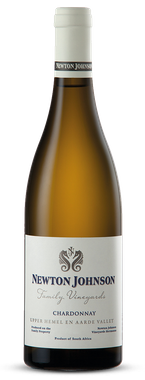
Naturally, Chardonnay is the queen sitting alongside the stylish Pinots. And why wouldn´t the thick-skinned, oceanside-loving Albariño find its match here in the cool, elevated, decomposed granite-based slopes, maximising its floral energy, fruit brightness, and nerve?
But tell me, where is the logic in partnering the intense peppery, violet-fragranced Syrah with characterful, meaty Mourvèdre and the pretty, red-fruited drought-tolerant Grenache in this high altitude climate? This combination is a smashingly attractive wine with such charisma and drinkability that you wouldn´t think they hail from the same region, never mind originating from the same small family estate. The secret to the birth of this “ugly duckling” is a very stony site further down the slope. Its influence tying these varieties together seamlessly. Another pioneering act.
In 2019 the whites blew me away. While the challenging, rain-ridden 2020 vintage demanded long hours at the sorting tables, I take my hat off to its Pinot Noirs. Their two single-vineyard Pinots, the Seadragon, gracefully red-fruited and fragrant with electrifying energy, and the bolder and darker more seriously structured Windansea go from strength to strength. To be honest, it is quite a humbling experience to taste these two wines side by side when so aware of them situated just a stone's throw away from each other. So hugely diverse in their ways of expressing their individuality and contrasting beauty. This is the moment when you cannot resist bowing to the power of a strong site, when vineyard expression has a meaning and when the term “terroir expression” is understood. However, to single out these two as my highlights of the week would be playing it too safe. The best wines at the highest price, at limited volumes, are a no-brainer in this portfolio. Go get them if you can. But for this 2020 vintage, I am especially impressed by the Family Reserve Pinot Noir and the Full Stop Rock 2019.
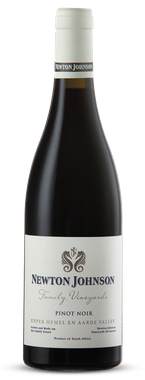
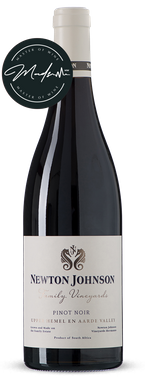
2020 Pinot Noir Family Vineyards, Upper Hemel-en-Aarde Valley
The 2020 Family Vineyards Pinot Noir outshines many of its peers, internationally as well, because of its excellent value and quality, even if the price tag suggests this wine calls for a bit more attention once the cork has been popped. This finely structured wine combines youthful, sweet red-fruited prettiness with some intriguing forest floor-driven aromatics which has slowly started to appear after a year in bottle. Fragrant rose petals and a twist of orange zest bring a lovely contrast to the spicy nutmeg and its dark graphite-like, serious core. Huge respect to the gentle hand that has allowed the fruit to maintain its delicacy of colour with a perfectly fine-tuned level of extraction allowing the vintage to show itself in such a beautifully balanced way. Light on its feet, yet with the stylish classiness expected of its underlying layers. This is not a wine to stow away for the long run. But hey, why wait for something that is so utterly beautiful right now and will remain so for the next few years? After all, how many of us really respect the maximum ageing potential of a wine? Most of them are enjoyed long before their indicated optimal drinking window.
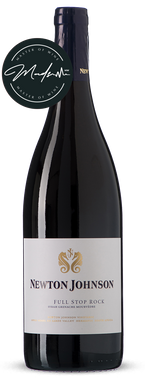
2019 Full Stop Rock, Upper Hemel-en-Aarde Valley
This super-attractive bright, plush and charismatic red blend of Syrah, Grenache, and Mouvèdre is a steal at R215, proving how easy it is to bypass a wine like this, so unexpectedly different in a portfolio where Pinot is king, Chardonnay is queen, and Albariño is the new, cool kid on the block. But don´t let it fool you, this wine is not just some sort of crazy experiment. It works! And it works so bloody well! This vintage confirms how incredibly irresistible cool-climate Syrah-dominated blends can be in showing that gorgeous mix of violet perfume with a dusting of white pepper, licorice, and spices and a slightly wild, meaty streak running through the blackberry fruited core of the wine. As punchy in its attitude, while showing its fresh, juicy, and happy self, yet with a healthy dose of sophistication and flair. What a treat to be able to highlight this wine as something that so many wine drinkers would enjoy, even the serious wine geek will nod approvingly and say “Wow, I had NO idea these grapes could be grown so successfully here!" And as with all wines from this estate, the drive to never allow the oak to impose itself as being more important than expressing fruit purity and authenticity of place is to be applauded.