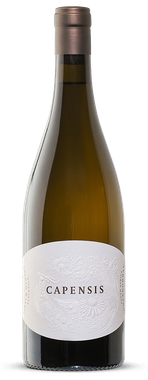
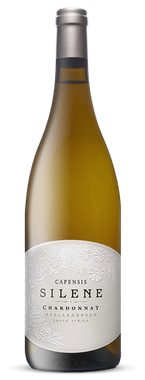
Antony Beck (of Graham Beck Wines and Angela Estate in Oregon) and Barbara Banke (of Jackson Family Wines based in the US), together with winemaker Graham Weerts (a native South African and winemaker at Jackson Family Wines) have made it their business to make Cape Chardonnay. Having sought out some of the oldest and most successful Chardonnay sites in the Western Cape, encompassing 9 sites in total they have just launched the latest in the Capensis range. While the original Capensis Chardonnay is a rich blend of all 9 sites, their newly released Silene Chardonnay 2017 is focussed on high-altitude, Stellenbosch Chardonnay from the properties Fijnbosch and Nooitgedacht.
As such, we’ve asked winemaker Graham Weerts to shed some light and invite you to partake of this exclusive Port2Port pre-release. Cathy van Zyl has rated it 96 points for the Platter’s Wine Guide and commented: “Thrilling!”
An interview with Winemaker Graham Weerts
What does the name ’Silene’ mean?
Capensis Silene is the Latin name for the African dream root, a beautiful flower which grows along the western and eastern Cape coast, part of the Cape floral kingdom, it only flowers at night, hell there’s so much symbolism in that alone that’s why it’s a great name for a wine, I certainly flower at night and dream at times.
What is the stylistic difference between Capensis and Silene?
Capensis is a blend of sites dotted around the Western Cape, the style is all about complexity and texture, big intensity and mouthfeel, packaged with a rich acid-driven finish. Silene is a totally different expression, high altitude Stellenbosch fruit, big acid, and tighter mouthfeel, dense and aromatic.
Why focus on Chardonnay? Was this your initiative or that of Antony Beck and Barbara Banke initially?
I think it was a combination of all 3 of us, Barbara is a CH fanatic, she loves everything about the variety and is intrigued by how it performs in different regions. Antony is a true collector he has a collection of fine wines which is something to behold. He’s got lucky kids because they’ll get the benefit of some incredible, well-aged wines in time, he’s a big fan of exceptional Burgundy and has a soft spot for some Chardonnay wines I made in CA. Personally, I think SA has a huge potential to make world-class white wines and CH being the best vehicle to showcase these exceptional vineyard sites.
How did you pick the 9 sites you currently source Chardonnay from and do you see them changing or yourself adding new sites in the future?
We researched the most impressive South African CH’s then looked at where they were coming from. I had a style in mind which I felt would resonate with where my sensibilities were guiding me. Then we searched out exceptional sites that met all the criteria. I like mountainous, wild sites which are complex to farm, places that have a truly unique identity, then hope they have CH planted on them, then we worked on deals to secure the fruit without making enemies. I think we’ll be adding to the sites as we move forward, I truly believe the higher altitude sites in and around Stellenbosch have still got a massive story to tell as time moves on.
Which one of your 9 Chardonnay sites is your favourite and why?
Fijnbosch our property in Stellenbosch, because I believe it radiates the energy which the vineyard team puts in every day, vines and wines absorb that energy and express it.
Given your career in the US, what drew you back to South Africa?
I’m a South African heart and soul. I left SA on an adventure, not because I was disillusioned by anything, I believe in the true quality potential which is all around SA, from the people to the exceptional vineyard sites. I’ve wanted to come back to make wine here almost from the day I left, now I’m in the great position to make wine in both SA and my adopted home California, working for the same exceptional company.
What have you applied from your winemaking in the US to your winemaking here? New World vs. New World?
I use everything I have all the time, regardless of where I’m working, understanding the dynamics of any given vintage is the key to making great wine, the vinification process is very basic and I don’t change much, great vineyards just need to be farmed really well with a gentle touch and they’ll happily make the wines by themselves.
What are the marked differences (in your opinion) between the US wine industry and South Africa, given your experience of both?
The US has its local market on its doorstep, which is extremely well-developed from a business point of view, diversity is easily accepted and regions are well supported by locals in the large metros close to wine country. The pricing power this creates is far easier, dollars buy wines produced in dollars, margins are maintained, and the entire industry benefits. In SA we need a stronger wine culture, one that’s inclusive of all, it needs to be an industry that we are all proud of so that we can get good prices and the ENTIRE industry benefits. The export markets need to beg us for wine, we should consume most of it at home so that when the importers come over we can truly have limited volumes and charge higher prices, the bulk volume game is doing us no real favours.
What does the future look like for Capensis in this new world (on so many fronts)?
The goal remains the same, to make world-class wine. We’ve chosen the Western Cape as our source to achieve that, so holding the course and refining what we do each year, is how we go about things. We’ve bottled a Single vineyard wine from our Fijnbosch vineyard in Stellenbosch, tiny case volumes that we’ll sell direct only, I feel that we’re only just getting going, our obvious success is in the US market, but for me, it’s imperative that we become relevant in the local market so we’ll be spending more effort here going forward. We are also building a tasting experience on the Stellenbosch property which will introduce the wines to guests in a rather unique way. The Jackson family wants this business to be going for 100’s of years so the foundations which we are laying today have to be robust enough to withstand the ebbs and flows of the world.
What wine did you crave during lockdown? Barolo
How do you think the pandemic has affected wine drinking culture, given that customers will be dining in for the foreseeable future?
I’m convinced honest authentic wines which resonate with folks are going to make great big strides, home cooking is going to evolve, people are going to be way more creative and wholesome, fresh ingredients are so easily come by now. Home meals are going to be special, the influence of esoteric wine nerds in the fine dining sphere might be limited for a while and some of the funky stuff might not hit the high points, which might be a shame.