A day out in the winelands was a real treat; buying wine for the table (on a regular round which included Chenin from South Africa’s established cellars at the time).
Chenin Blanc is such a great comeback story. While we progressed onto trendier varieties like Chardonnay and Sauvignon Blanc, Chenin has always evoked childhood memories of my first magical taste of wine in my teens. Alluring, aromatic, bursting with fresh fruit flavours, zesty and refreshing on a Cape summer’s day, Chenin remains the quintessential South African grape.
Revisiting Chenin Blanc, a revolution of styles
Over the Cape’s endless summer of 2017, I’ve been revisiting Chenin, tasting my way across a spectrum of the new wave of Chenin. Over the last two decades, the Chenin Blanc Association has done great work to rebrand the versatility of Chenin, defining a variety of styles from ‘fresh ‘n fruity’ to ‘rich ‘n ripe’, wooded and unwooded, sparkling and dessert, dry to sweet. When this much Chenin is planted in your national vineyard, those precious old bush vines make it the hero white variety. Consider that the number of members of the CBA has grown from 20 in 1999 to 110 in 2017
I sipped one of the new stars I ordered online from Port2Port recently - Botanica Chenin Blanc 2015 from the remote Citrusdal Mountains - a smart wine fermented in old oak which offers a sublime balance of purity of fruit and leesy texture.
Another trend worth seeking out is the new category of Chenin-based white blends – a growing category which demonstrates the increased popularity of this style. Newer producers lead the way, blending Chenin with newer varieties like Grenache blanc, Roussanne and Viognier, examples are Sijnn’s Malgas White Blend, Starke Conde’s Field Blend and Vondeling’s brilliant Babiana – these being just a few of many.
Inspirational wines with a story to tell
Chenin has inspired some of the most evocative wine labels coming out of the Cape winelands today - names that communicate an authentic sense of origin and place. The synergy between variety and label is axiomatic in the naming of things.
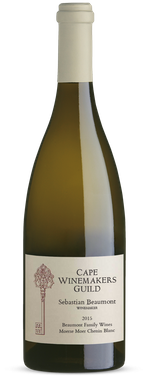
Chenin celebrates the heritage of old bush vines, that most traditional way of cultivating vines – which has become a key aspect of some wine brands’ story on their labels. It has also become a statement grape, resulting in bold winemaking methods resulting in edgy and engaging wines, as in the case of Beaumont CWG’s “Moerse Moer” Chenin and Neil Ellis’ “Op sy Moer” Chenin blend - a double entrendre also meaning “on the lees” - you don’t get more Cape than that saying!
Another truly ‘Cape’ label is Daniël de Waal’s Pella Kanniedood Chenin Blanc - a tribute to the staying power of old bush vines.
Then there are labels that indicate a sense of heritage and provenance, for example Kaapzicht’s The 1947 and Kliprug Chenin – a name derived from the stone rich soils the grapes are grown in.
The many faces of an old favourite
Over the years, Chenin Blanc’s versatile character has allowed the grape to be subjected to various vinicultural and cellar practices, resulting in all-season wines:
Wooded, unwooded, wild ferment, whole bunch pressed, free-run, barrel-fermented, concrete-egg and tank-fermented, dryland, single vineyard, bush-vine, block by block, soil- specific, straw wine and vine-dried, organic, biodynamic and even sparkling – Chenin Blanc’s repertoire is as wide as it is diverse.
In full-circle fashion, the name ‘Steen’ is creeping back onto labels – and back into fashion - and I have likewise returned to drinking Chenin, the wine of my youth around the family dinner table. Every label tells a story, and in my opinion few varieties have embraced their story better than Chenin Blanc.
This grape’s story is about patience and persistence, about old vines that were under-valued in their youth that have finally come to fruition. It is a story of resilience, potential, enjoyment, innovation and, ultimately, new discoveries of an old favourite.