From the 16th century onwards it was a favoured beverage. By the mid-1800s the market there was so important it virtually determined the rise to prominence of the company which today is the most important of the family-owned firms in the region, and the flag-bearer of Sherry's fine wine trade.
In 1835 Manuel María González Angel established his bodega in Jerez de la Frontera. A few years later he entered into a partnership with his English agent Robert Blake Byass. The business swiftly became the most successful in the region. By 1862 the partners commissioned Gustav Eiffel to design and build its famous La Concha bodega. Today it is still owned and controlled by the Gonzalez family (the descendants of Robert Byass only exited the business in 1998).
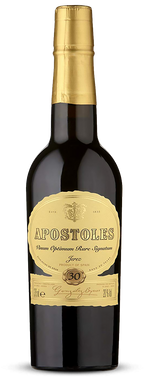
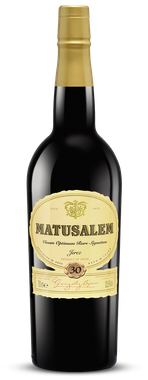
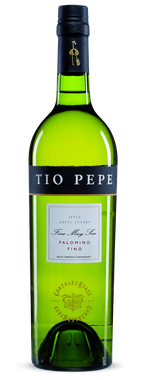
While the commercial success and reputation of Gonzalez Byass was built on its famous Tio Pepe brand, it is the small-batch treasures that attract the real sherry aficionados. Chief among these are the Tio Pepe “En Rama” a special release cuvée of the popular fino sherry, bottled unfiltered in limited quantities, the single cask selections (Una, Dos, and Tres Palmas) and the thirty-year-old Palo Cortados, Amontillados and Olorosos.
The Palmas range gets its name from the cellarmaster's habit of marking his top casks with a diagonal chalk line. After many such marks confirm the superiority of the cask, the chalk likes look like a palm tree: this is a wine destined for Una Palma bottling. Older casks which still meet his exacting standards acquire two and even three “palm trees” hence the Dos and Tres Palmas releases. The annual worldwide allocation of wines like the Gonzalez Byass Tres Palmas is sometimes less than 1000 500ml bottles when only a single cask makes the final cut.