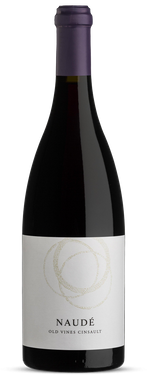
Prestige-less, suitcase-less and nametag-less, the people of the Cape glanced at the little grape from the South of France and named it “Hermitage”, mostly because they knew there was a place in Rhône called Hermitage (never mind that it was actually in the North where they only planted Syrah), but also because it just sounded so damn classy and French. Yes, for all you Pinotage fans, Pinotage narrowly missed being named Pinosault.
The workhorse grape
Upon arrival Cinsault was immediately put to work. A lover of the sun, its big berried high yields and drought resistant tendencies meant farmers wasted no time in planting it EVERYWHERE, and Cinsault became the most planted red grape in South Africa. Unluckily for our lightly coloured Cinsault grape, the fashions of the times were DARK WINE = QUALITY WINE. Vigorous punch downs with extended macerations to maximise colour extraction resulted in very harsh, very tannic wines (polite terms for don’t-you-dare-come-within-ten-feet-of-me-with-that-undrinkable-swill). Misunderstood Cinsault was relegated to be forever the bridesmaid and never the bride, its sole job to make other wines look good in red blends. That, and to get naughty with Pinot Noir to parent our very own varietal, Pinotage – but that’s a whole other story.
Try as it might, Cinsault could never escape the dark shadow cast by Cabernet Sauvignon, an expensive grape both to grow and to produce. As wines only needed 75% of one cultivar to be given single cultivar status at the time, Cinsault was quickly called upon to fill the gap, bulking out Cabernet Sauvignon volume without haemorrhaging wallets. No one was any the wiser and Cabernet Sauvignon took all the glory, despite it being Cinsault’s doing that many Oude Libertas and Swartland Co-op wines are still drinking well 40 years on.
With the rising popularity of Bordeaux grapes – especially that devious Cabernet Sauvignon – Cinsault was no longer considered in vogue and its vineyards were ripped out to make way for its more popular French cousins. By 2000, Cinsault made up less than 4% of our total plantings and had fallen largely into obscurity. Today only 2% remain.
If the shoe fits: Pinot Noir of the Swartland
Key to any reawakening post banishment is a champion. While these have typically taken the form of fairy godmothers, pipe-smoking old men and Richard Gere in the past, the champion of this story is Eben Sadie and his 2009 single varietal Cinsault “Pofadder”, saying, “It’s very difficult not to take a punt on a grape that carries terroir so heavily. My intuition is that we must trust a grape that is so articulate of the soil. The only other grape I know which is like that is Pinot Noir.” And so Cinsault has steadily made the climb up the social grapevine to its new nickname: Pinot Noir of the Swartland.
Cinsault is the everyman’s hero. With its low tannins and palate of bright red berries, spices and surprising structure and longevity, Cinsault is the perfect gateway grape. Not into wine? Drink Cinsault. Not into reds? Drink Cinsault. Only feel like opening one bottle tonight? Drink Cinsault. On a more serious note, though, Cinsault just might be our gateway grape to our very own non-replicable South African wine identity, something connoisseurs all over the world will be able to taste and pinpoint, without a doubt, back to us.
And so Cinsault adorned its crown as South Africa’s new darling grape and rode off into the sunset, probably to go find its old love, Pinot Noir.