- All


- White Wine1
- Chenin Blanc1
- Du Bois Vineyards1
- South Africa1
- Stellenbosch1
- Stellenbosch1
- 20251
- 750 ml1
- Poultry1
- Seafood1
- Soft Cheese1
- Vegetables1
- Du Bois Vineyards1
Du Bois Vineyards
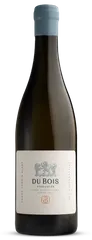
After more than nine decades of growing grapes for other producers, the du Bois family of Stellenbosch are launching their own label’s second vintage. The Du Bois Vineyards Sonop Chenin Blanc 2025 marks the next chapter in a story that began in 1931. The Du Bois’s second vintage marks a continuation in the story of a family that has been growing wine grapes in Stellenbosch since 1931. After serving as a viticulturist at Uitkyk, Nicolaas du Bois – grandfather of the current patron, Gabriël (Gawie) du Bois Snr – purchased the farm. He had considered naming it Windheuwel, inspired by the fierce winds that sweep across the hills, but ultimately chose Sonop because of how the morning light settles on the slopes. It is here that he began cultivating wine grapes, laying the foundation for the family’s viticultural legacy. Now, Gawie Snr and his sons Gabriël Jnr and Jacques have turned a long-held dream into reality. For years, their grapes made it into some of the most prized wines of the Cape. But something was missing: “We watched our grapes become part of others’ stories,” says Gabriël Jnr, who spent five years apprenticing under acclaimed winemaker Chris Alheit in Hemelrand. “Seeing our fruit in such fine wine is an honour, but coming home to make wine from our own land feels like finishing a story that began generations ago.” The response to the Du Bois Vineyard label was unprecedented. Their 2024 maiden vintage sold out within four months of launching in November of last year. “It’s wonderful that people bought our wine and that the wine sold out,” says Gawie Snr. “Now we’ve increased our volume. I’m excited for our second vintage. For me, 2025 is superior.” “It’s an honour and a privilege to share a dream with my father and brother,” says Jacques. “We certainly jumped in the deep end last year. We have a big responsibility, but I’m excited for what’s ahead. I think Gabriel did a fantastic job in the cellar. I think we’re releasing at a time when the wine is ready to show its full potential. I hope people know the wine is only going to get better.”