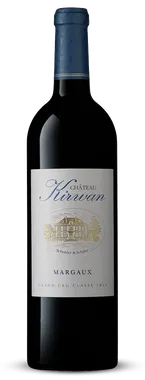
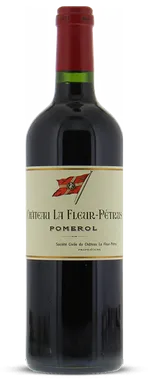
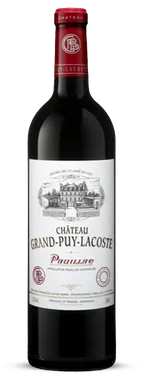
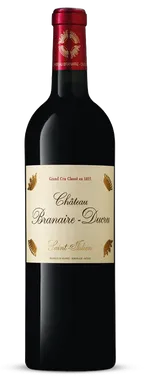
After Napoleon’s final defeat at Waterloo, Colonel Charles Palmer was travelling by coach to Paris. In the carriage was a Marie Brunet de Ferrière. As Henry Jeffreys tells the story in his ***Empire of Booze*** (which has just been republished) “she was on the way to sell her family property in Bordeaux so that it could be divided up amongst her family as per the Napoleonic code." Some form of seduction took place on that long coach journey... One thing soon led to another and, before he knew it, he had bought the property for considerably more than she could have sold it for in Paris.
“Modestly, he changed the name to Château Palmer and aimed to make it the most fashionable wine in London... For his wine’s London debut, Palmer set up a tasting with the Prince Regent at the Carlton Club... All was going swimmingly until Lord Yarmouth, determined to take the arriviste Palmer down a peg or two, proposed a comparative tasting with another claret supplied by a London wine merchant, John Carbonell... The Prince preferred the heavier wine... but we shouldn’t be too hard on him - nowadays at blind tastings most people almost always plump for the less subtle wine.”
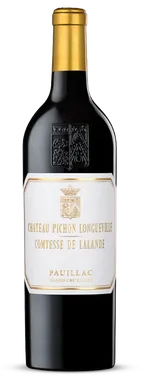
It was this comment, the throw-away line about the less subtle wine always doing better in these comparative consumer tastings, that had me thinking about how those of us who are also familiar with New World cabernet and Bordeaux blends sometimes do not approach the more classical wines with the appropriate mind-set. Most great clarets have been made for the long haul, and they reveal very little of their true potential in less than a decade after the vintage. If you line-up any of the great 2016s from the Medoc alongside Stellenbosch cabernets from 2015 or 2017 your tasting and drinking experience will be vastly different. The Cape wines from both those vintages are generally splendid, and they are all pretty much moving along their plateau of maturity. Open and decant them an hour before serving and you will get dollops of juicy fruit, bucketloads of well polymerised tannins – all robust and present enough to deliver technicolour pleasure.
Great claret is an entirely different beverage, it needs time, and it is more about subtlety than thrust – so it is not for every occasion or to accompany every dish. But kept for at least 10 years and preferably closer to 15 (the 2010s are spectacular at present) decanted three to four hours before serving, and presented in the perfect stemware you will experience the magic which has made the Medoc home to the world’s most famous cabernet-based wines.